Authorized Dealer
How to Use ND Filters: An Introduction Read More This Series 9 Tiffen Combination Light Balancing 81EF/ND Glass Filter combines the effects of an 81EF light balancing filter with a neutral density filter. 81EF An 81EF…
Product highlights and buying context
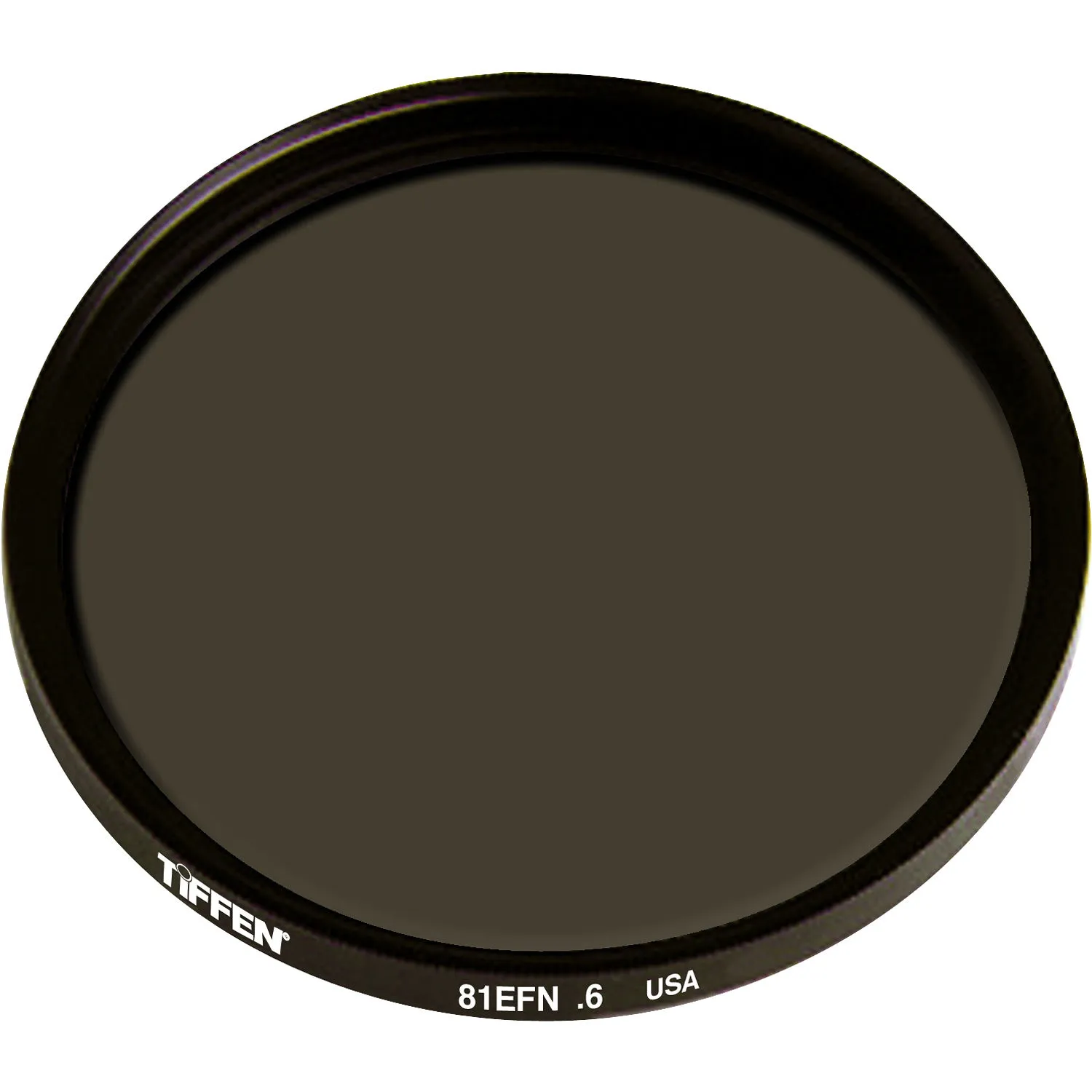
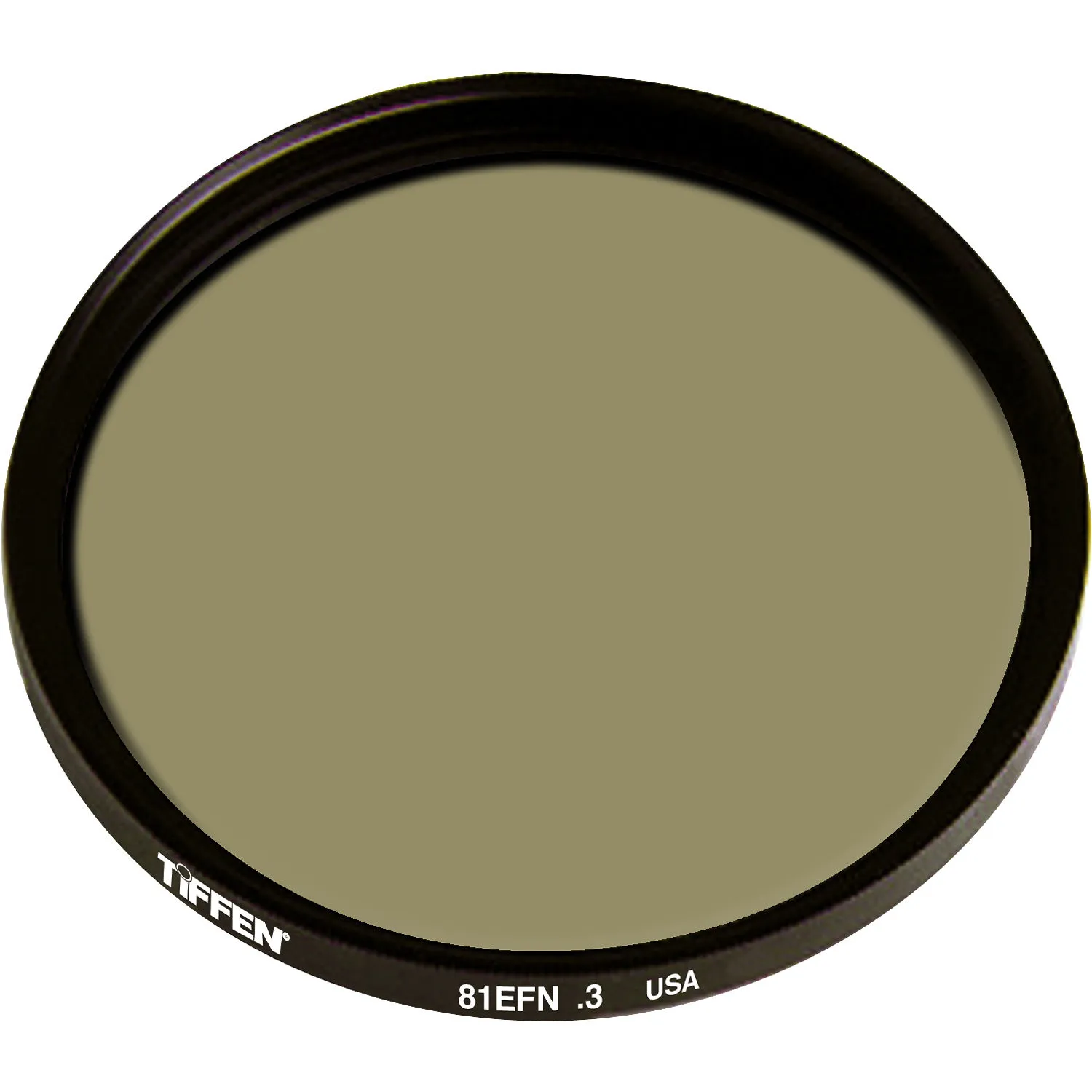
This Series 9 Tiffen Combination Light Balancing 81EF/ND Glass Filter combines the effects of an 81EF light balancing filter with a neutral density filter.
81EF
An 81EF filter (the strongest in the 81 series) will more than replace the yellow missing from the image and place all skin tones on a distinctly "warmish" level. You might even consider using an 81EF at the beach to make a hot scene even "hotter."
It's Autumn. The clouds are low hanging and the sky is "patchy blue." You've gone for a ride upstate to the mountains and the light in open shade is bluish. A photo taken of your girlfriend with daylight balanced film leaning against the side of a barn will yield bluish tones that she might not find particularly flattering.
The 81 series (81A, B, C, D, and EF) allows you to choose how much warmth you wish to replace in the image.
Tiffen makes the 81 series of filters in many sizes to accommodate the many uses this filter has. This filter can be used by the pro and amateur alike, weekend photo warrior, or pro cinematographer and must be considered an essential addition to any photo arsenal.
Neutral Density
Neutral density filters appear gray and reduce the amount of light reaching the film. They have no effect on color balance. They are very useful when you want to shoot high speed film outdoors on a very bright day.
Determining which neutral density filter yields ideal results for any given lighting situation takes knowledge, experience, and a collection of such filters. Speaking generally, the 2-stop value (ND 0.6) effectively compensates average situations.
Tiffen, a leader in the filter industry, proudly makes its filters in the USA.
Whereas the 81 Series of filters creates a feeling of warmth, the 82 Series creates a feeling of coolness
Good for general scenics when the photographer wishes to remove the bluish cast from open shade or just add warmth to the photograph, with an 81EF having the greatest effect
To enable slow shutter speeds to be used, especially with high speed films, to record movement in subjects such as waterfalls, clouds, or cars
To decrease depth of field by allowing wider apertures to be used, which helps separate subjects from their backgrounds
To decrease the effective ISO of high speed film (above ISO 400) and allow it to be used outdoors in bright situations
To allow cine and video cameras (which have fixed shutter speeds) to film subjects such as snow, sand, or other bright scenes that could cause overexposure
ND 0.3 (exposure adjustment = 1 stop, reduces ISO 1/2)
ND 0.6 (exposure adjustment = 2 stops, reduces ISO 1/4)
ND 0.9 (exposure adjustment = 3 stops, reduces ISO 1/8)
Additional Details
Loading…